
October 18, 2026; Matthew 22:15-21; The 29th Sunday in Ordinary Time
Today’s Gospel sets a contrast before us, a contrast between an image of political power and an image that we bear. Some Herodians come to Jesus in an attempt to enlist him in their opposition to the Roman Empire. They provide him with an opportunity to reject paying the Roman tax. But Jesus does not bite. Instead, he asks to see a coin and asks whose image is on the coin? “Caesar’s,” they reply. They are correct because the Roman Empire stamped every coin with an image of Caesar to assert its power and domination. So, Jesus concludes that if this coin already has the image of Caesar, there is no problem in returning the coin to him. Jesus’ response is not pro-Roman. Every person of his time in the Mediterranean world knew that the Roman Empire oppressed millions of people to build its own wealth and glory. But Jesus accepts the empire as a fact and says that coins bearing Caesar’s image can be used to pay the census tax.
But then he ups the argument. Jesus sets another image next to the image of Caesar: the image of God. If we find the image of Caesar on coins, where do we find the image of God? Every Jew would know how to answer this question. The first chapter of the Book of Genesis states that God made humankind in God’s own image. Therefore, every person, Roman or Jew, slave or free, man or woman, carries within them the image of God. Caesar may have power over coinage, but God has power over every person that lives.
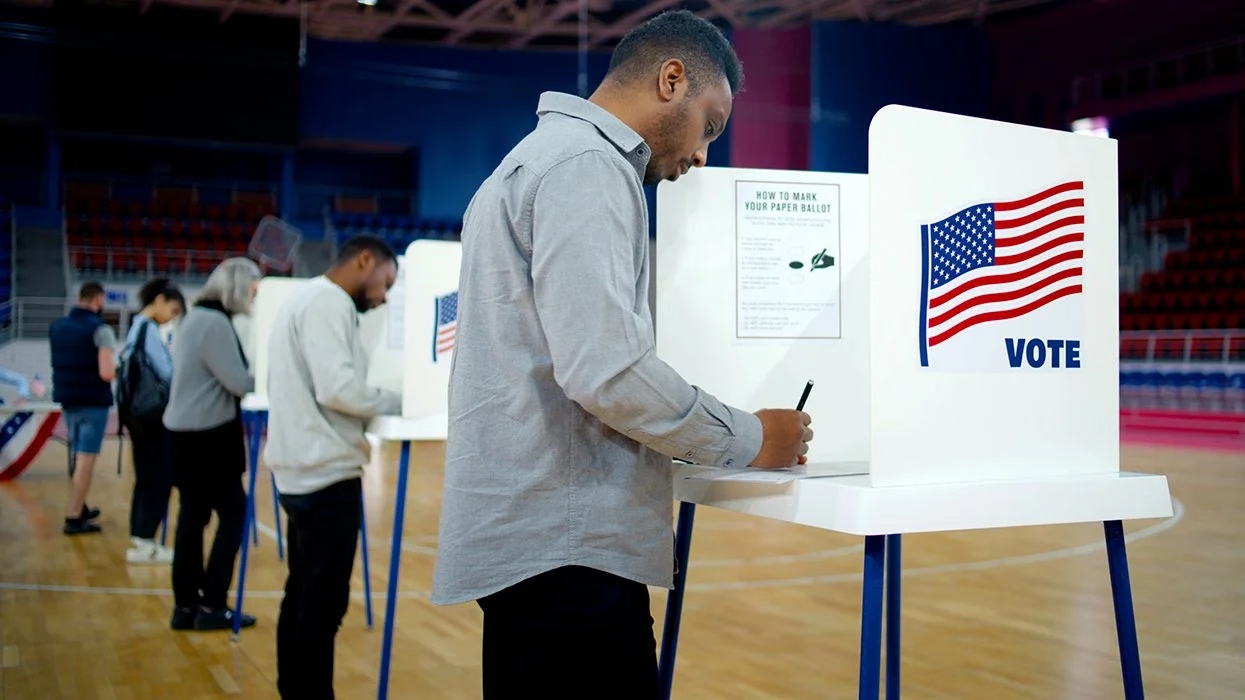
For us as believers, this contrast in the gospel has relevance to our own lives. As we approach the upcoming elections, we must ask ourselves whose image has power over us—the image of Caesar or the image of God? From the time of Caesar, politicians have used images to assert that they are right and to define what it means to be right. Political images will continue to flow over us over the next few weeks, telling us that this person is wonderful and that person is terrible, trying to convince us to vote for her but not for him. But before we enter the voting booth, we must examine whose image is controlling us. Is it the image of a political ad, the image of a political party, the image of a political personality, or is it the image of God calling us to the common good? We must carefully weigh what we know the image of God is asking of us: to care for the environment, to protect human life, to reject violence and war, to recognize that every person has human dignity, especially the poor and to the marginalized.
Every image has power, but there is only one image that we carry within us. Therefore, as we vote for Caesar, let us follow the image that we bear.