
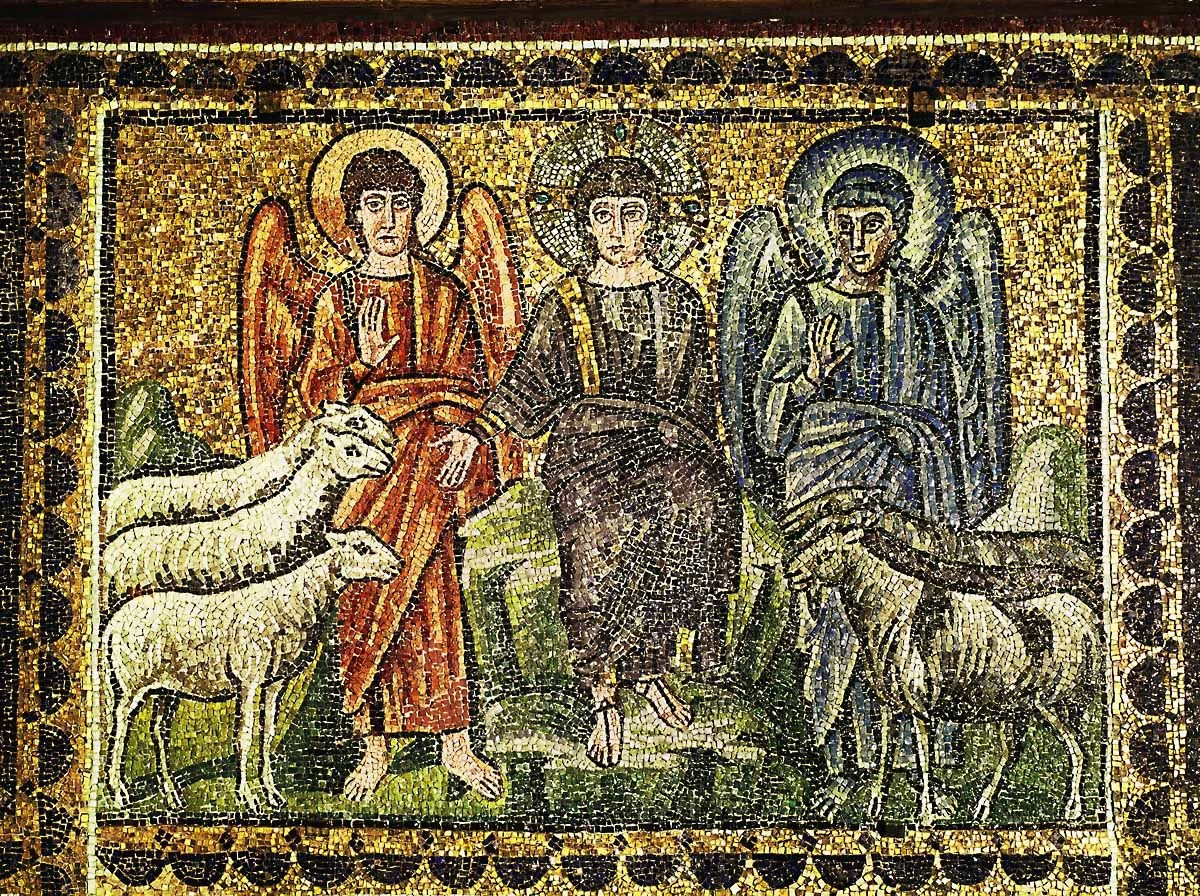
November 22, 2026; Matt 25, 31-46; Christ the King
Jews wrote the bible, not only the Old Testament but the New as well, because Jesus and his earliest disciples were all Jewish. Jews have always been blessed because God revealed to them who God is and what God expects from us. This knowledge was seen as so important that, at the time of Jesus, Jews divided humanity into two groups: Jews and Gentiles. Jews knew God and God’s laws. Gentiles were ignorant of God and what God expected of them. And so, the question arose, how could Gentiles be saved, if they did not know who God is.
Today gospel passage answers that question. It begins. “When the Son of Man comes in glory with all the angels, he will sit upon his glorious throne, and all the nations will be assembled before him.” When we hear the word “nations,” we think of countries or political entities. But the word in Greek nations literally means, Gentile, non-Jew. What today’s gospel is presenting is how the Gentiles, those who do not know God, will be judged on the last day. This explains why everyone in today’s gospel—the righteous and the unrighteous, the sheep and the goats—are all clueless about what is happening. They keep asking, “Lord, when did we see you hungry and feed you, or thirsty and give you drink?” Jesus must explain to them that what mattered was what they did to the least person in society. This certainty would come as a shock to Gentiles. As people of good will they automatically knew that they had to care and love for their family and friends, for important people and people who would love them in return. But the idea that they would be judged on how they cared for the least, the poorest person, the stranger, the imprisoned, that was certainly a surprise. We can imagine the Gentiles at the last judgement saying to themselves, “Well, who would have thought that God had such concern for the least among us. But I’m glad that I cared for them, because now it is making all the difference.
When Jews hear today’s gospel, they are not surprised. They have the scriptures. From the beginning of the Book of Genesis all the way though, God keeps insisting on the importance of caring for the least, for the widow and the orphan, for the immigrant, for the imprisoned, for the hungry, and for the sick. So, what Jews discover when they hear today’s gospel is that Gentiles will be judged on the same basis that they will be judged: how they care for the least among us.
Today’s gospel, then, reminds us that we should live our lives as Jews, not Gentiles. We should live our lives aware that God not only expects us to love our family and friends and those we care for, but also the least in our society. That is something that we should not wait until the last day to discover. Because it goes without saying that when it comes to the last judgement, the best surprise is no surprise.